

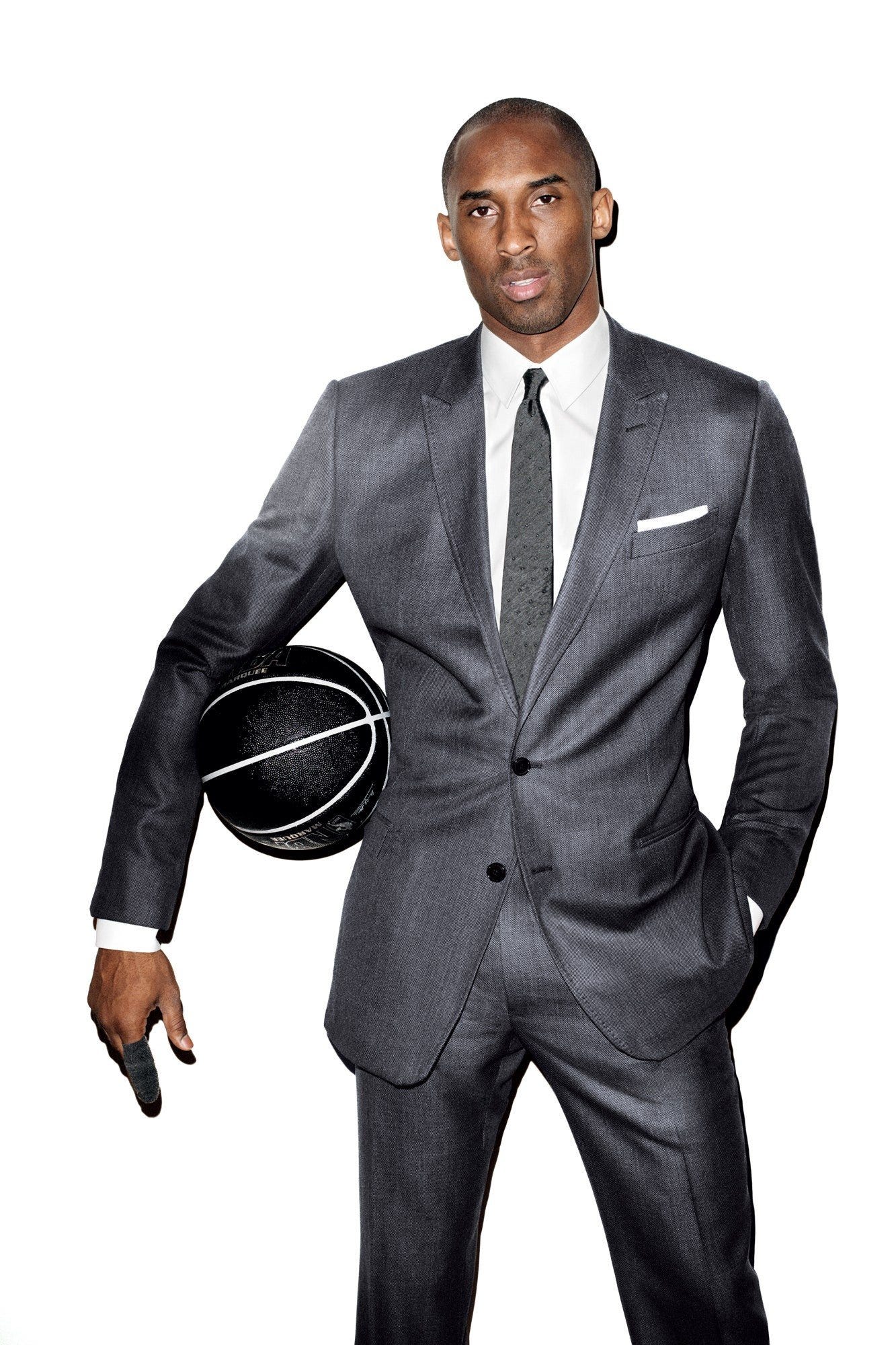
Kobe Bryant’s shocking death left me shattered. I’d been following his career since he began playing in the NBA as a teenager. We’re less than a year apart in age, and I mimicked his playing style in real life; It served me well (I’ve won a few city league championships over the years). Until now I still argue Kobe was the greatest basketball player ever in many respects, and not entirely out of fandom. Yes, my claim raises the blood pressure of those who disagree. It certainly makes the statistic obsessed cringe, likewise, the older generations of NBA fans fume. Is Kobe Bryant the greatest basketball player of all time? I’m not the only one who’s taken such a position, though, it’s understanding the cosmic why Kobe could be argued as the “GOAT.”
Perhaps if we rephrase the question it could help the perception around my declaration. Hence, let's ask, “What made Kobe Bryant great?” Interestingly enough, it’s not wholly anchored to his basketball career, not conventionally.
We live in an age where statistics have obscured considerations on assessing the greatness of an athlete. I find it somewhat unfortunate. Are statistics everything? It remains the strongest argument whenever it comes to evaluating an athlete, albeit, in a silo. Sure, cemented numbers cannot be denied, but we must additionally acknowledge the emergence of the extracurricular, like community programs, social influence, charities, and public activities that athletes increasingly engage in—as well as—the prestigious awards recognizing such contributions. It lends credence that statistics aren’t the only thing important or that matters in an athlete’s career.
When defining a player’s legacy, everything a player does and doesn’t, and, who they are and aren’t—when not playing sports—has become equally , if not more important, to their overall value and heritage despite any success sports wise (i.e., Pete Rose). We recognize that the essentiality of an individual, how they achieve, build and evolve matters substantially.
